
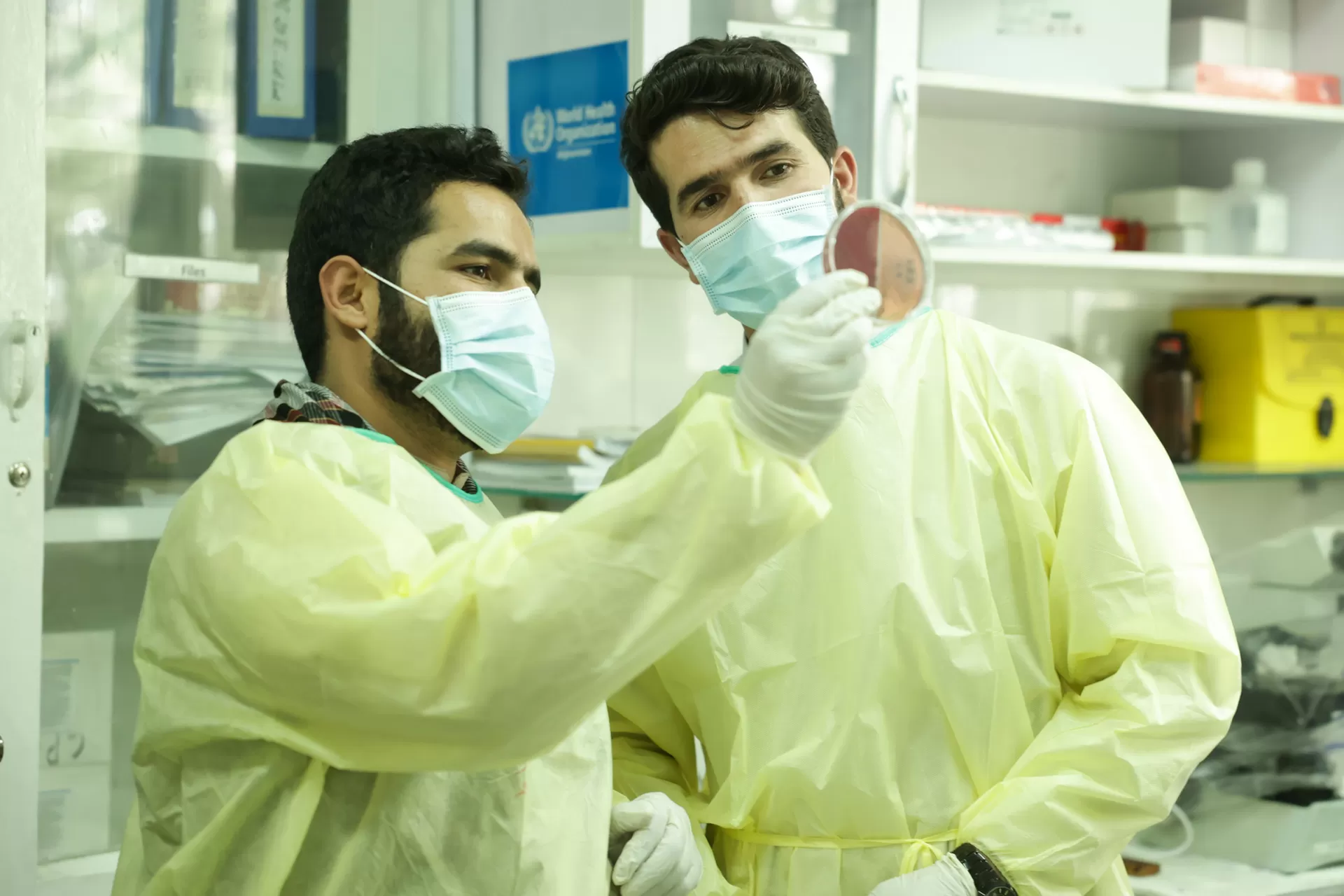
On 3 September 2025, Cairo, Egypt witnessed a significant gathering of health leaders from across the globe. The World Health Organization (WHO) Regional Office for the Eastern Mediterranean convened a consultation with Member States to discuss and provide feedback on the zero draft of the new Global Action Plan on Antimicrobial Resistance (AMR GAP 2.0). This plan, in line with Resolution WHA77.6 and the 2024 UN Political Declaration on AMR, aims to combat the urgent and growing threat that AMR poses to global health, development, and security.
Antimicrobial resistance is a major public health concern that has been on the rise in recent years. It refers to the ability of microorganisms, such as bacteria, viruses, fungi, and parasites, to resist the effects of medications that were previously effective in treating infections. This phenomenon is a result of the overuse and misuse of antibiotics and other antimicrobial drugs in both humans and animals. As a result, many infections that were once easily treatable are now becoming difficult, and in some cases, impossible to cure.
The WHO has been actively working towards addressing this issue and has identified AMR as one of the top 10 global public health threats facing humanity. In 2015, the WHO adopted the Global Action Plan on AMR, which aimed to promote the appropriate use of antimicrobial drugs, strengthen surveillance and research, and improve infection prevention and control measures. However, with the increasing threat of AMR, it has become evident that more needs to be done.
Hence, the WHO has taken the initiative to develop a new and improved Global Action Plan on AMR, known as AMR GAP 2.0. The plan is being developed with the aim of addressing the social determinants and gender dimensions of AMR, ensuring that the needs of the Eastern Mediterranean Region are fully reflected, and promoting a more sustainable and equitable approach to combating AMR.
The consultation held in Cairo this week was a crucial step in the development of AMR GAP 2.0. It provided an opportunity for Member States to review and provide feedback on the zero draft of the plan. This consultation was essential to ensure that regional perspectives, priorities, and challenges are taken into consideration in the global strategy. It also allowed for a collaborative effort in framing the future of global AMR policy.
In her opening remarks, Regional Director for the Eastern Mediterranean, Dr. Hanan Balkhy, emphasized the need for a technically robust, operationally practical, and socially equitable plan. She highlighted the importance of addressing the social determinants and gender dimensions of AMR, as well as ensuring that the needs of the Eastern Mediterranean Region are fully reflected in the plan. Dr. Balkhy also stressed the need for a sustainable approach to tackling AMR, as it is not just a health issue, but also a development and security concern.
The consultation was attended by health leaders from across the Region, who gathered in Cairo to participate in this significant event. The discussions were fruitful, and the feedback provided by Member States will play a crucial role in shaping the final version of AMR GAP 2.0. The plan is expected to be launched in the coming months, and it is hoped that it will serve as a comprehensive and effective strategy in the fight against AMR.
In conclusion, the WHO Regional Office for the Eastern Mediterranean has taken a commendable step in addressing the growing threat of AMR. The development of AMR GAP 2.0 is a testament to the organization’s commitment to promoting global health and ensuring the well-being of all individuals. With the support and collaboration of Member States, we can overcome the challenges posed by AMR and work towards a healthier and more sustainable future for all. Let us continue to strive towards a world where antimicrobial drugs are used responsibly, and the threat of AMR is no longer a concern.
