
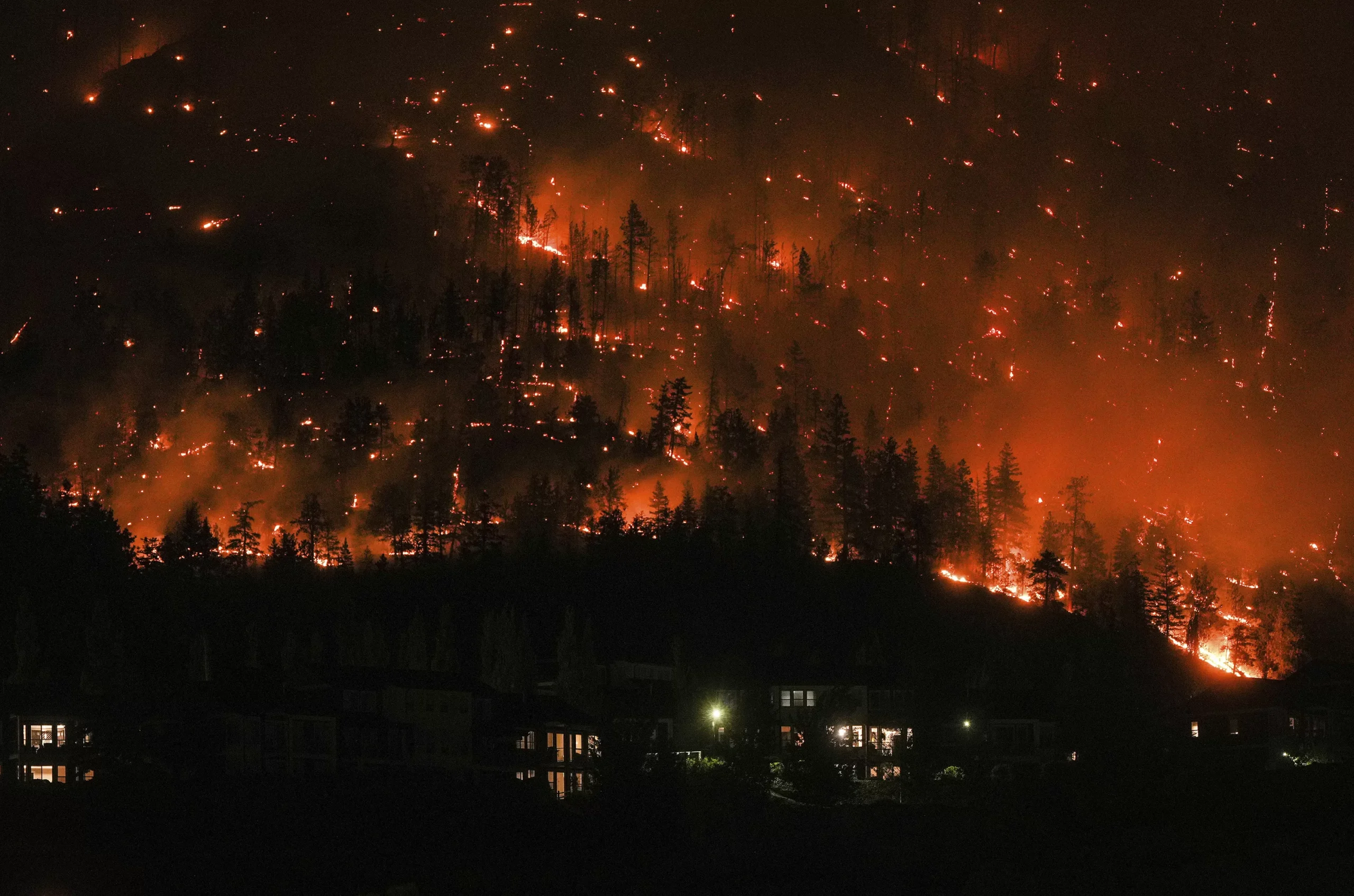
The year 2023 will be remembered as a turning point for the United States and Canada in terms of air pollution. A recent report has revealed that both countries faced the biggest surge in air pollution, with Canada experiencing its worst wildfire season on record. This has led to a significant increase in fine particulate pollution (PM2.5), with more than half of the Canadian population exposed to dangerous levels.
According to the report, the United States and Canada have been facing a steady increase in air pollution over the past few years. However, the situation reached its peak in 2023, with Canada alone recording its highest levels of PM2.5 in at least 26 years. This is a cause for concern, not only for the citizens of these countries but also for the rest of the world.
The main contributor to this surge in air pollution is Canada’s devastating wildfire season. The country experienced a record-breaking number of wildfires, which released harmful pollutants into the air. These pollutants, along with other sources of air pollution such as industrial emissions and vehicle exhaust, have created a toxic cloud over the northern part of North America.
The consequences of this air pollution surge are alarming. PM2.5 is known to have a significant impact on human health, causing respiratory illnesses, heart disease, and even premature death. The report estimates that more than half of Canada’s population, which amounts to over 20 million people, were exposed to dangerous levels of PM2.5. This is a stark reminder of the urgent need for action to address air pollution.
The good news is that both the United States and Canada have already taken steps to tackle this issue. The two countries have been working together to reduce their greenhouse gas emissions and transition to cleaner energy sources. In the United States, the Biden administration has made tackling climate change a top priority, with plans to invest in renewable energy and reduce emissions from the transportation sector.
Similarly, Canada has also committed to reducing its carbon footprint and has set a target to achieve net-zero emissions by 2050. The country has also implemented measures to reduce air pollution, such as stricter regulations on industrial emissions and promoting the use of electric vehicles.
However, more needs to be done to address the current air pollution crisis. The report suggests that both countries need to take immediate action to reduce their reliance on fossil fuels and invest in clean energy sources. This will not only help to reduce air pollution but also mitigate the impacts of climate change.
Moreover, it is crucial for the government to prioritize the health and well-being of its citizens by implementing stricter air quality standards and monitoring systems. This will ensure that people are aware of the air quality in their surroundings and can take necessary precautions to protect themselves.
Aside from government action, individuals can also play a role in reducing air pollution. Simple actions like using public transportation, carpooling, and conserving energy can have a significant impact on reducing emissions. By making small changes in our daily lives, we can collectively make a big difference in improving air quality.
In conclusion, the United States and Canada have endured a challenging year in terms of air pollution. The surge in pollution levels, especially in Canada, is a wake-up call for both countries to take urgent action to address this issue. By working together and implementing effective measures, we can create a cleaner and healthier environment for ourselves and future generations. Let us use this report as a motivation to make positive changes and create a brighter, pollution-free future.
