
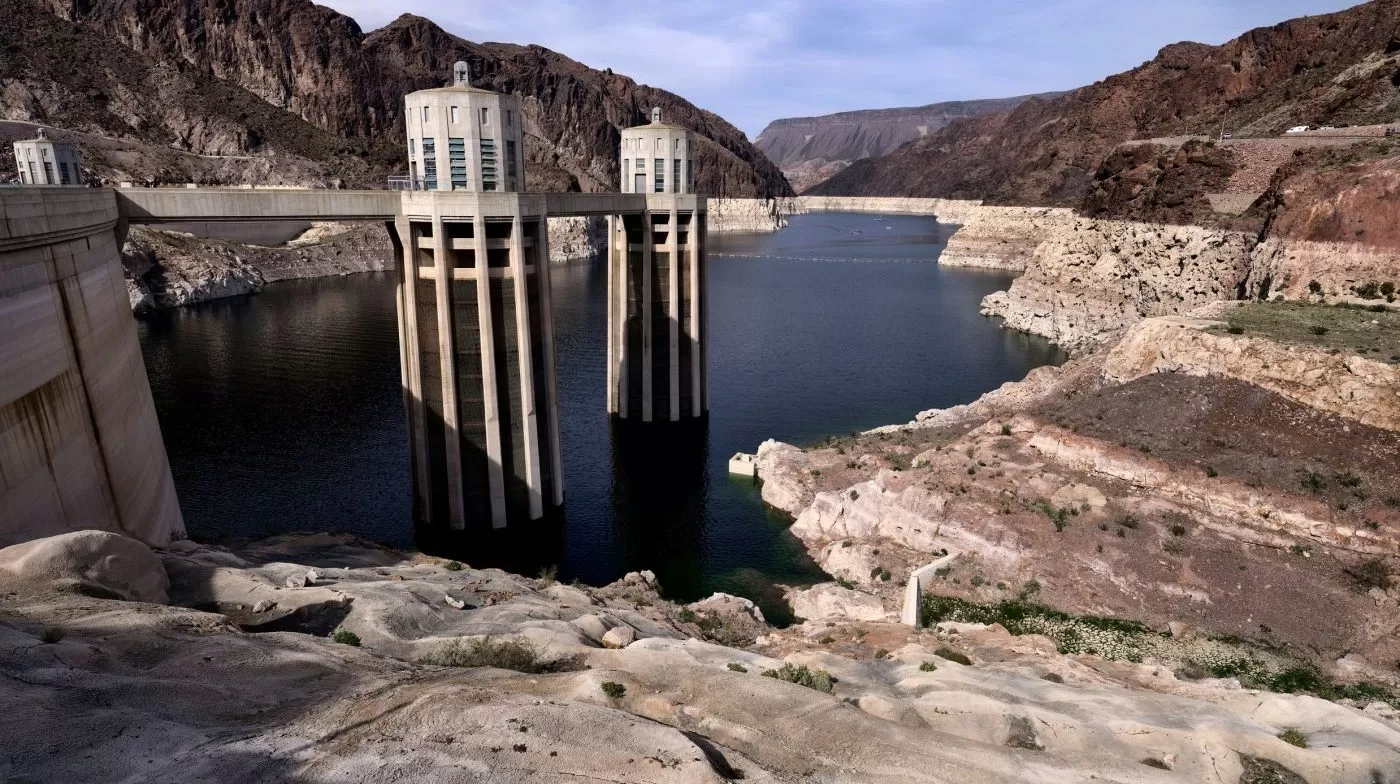
Above-normal temperatures and scarce precipitation levels have created a concerning situation in the U.S. West, as federal meteorologists warn of rapid snowmelts and reduced water supplies for the spring and summer. The majority of Western basins are currently experiencing a late season “snow drought,” a phenomenon in which there is significantly less snow accumulation than usual for this time of year.
This “snow drought” is a result of the unusually warm temperatures that have been recorded in the Western region, combined with the lack of precipitation. The combination of these factors has caused the snow to melt at a faster rate than expected, leaving many areas with a significant decrease in their water supply.
The Western United States is no stranger to droughts, with many states experiencing severe water shortages in recent years. However, this year’s late season “snow drought” has added to the existing challenges, posing a threat to the region’s water resources for the upcoming months.
The situation is particularly concerning for farmers and ranchers in the West, who heavily rely on the snowpack to provide water for their crops and livestock. The reduced water supply could result in significant losses for these industries, affecting not only their livelihoods but also the availability and cost of food for consumers.
In addition to the impact on agriculture, the reduced water supply also has implications for the environment and wildlife. Many species depend on the snowmelt for their survival, and the lack of it could have devastating consequences for their habitats.
The “snow drought” is not limited to one particular area of the West; it is widespread, affecting nearly all Western basins. This includes states such as California, Oregon, Washington, Nevada, and Arizona, among others. The situation is also expected to worsen as the spring and summer months approach, with the potential for even higher temperatures and lower precipitation levels.
The National Oceanic and Atmospheric Administration (NOAA) has been closely monitoring the situation and providing regular updates on the snowpack levels and water supply forecasts. They have also been working with local agencies to mitigate the effects of the “snow drought” and find solutions to address the water shortages.
One possible solution being explored is the use of alternative water sources, such as groundwater and stored reservoir water. However, these options may not be sustainable in the long term and could have environmental consequences.
Another potential solution is implementing more efficient water management practices, such as conservation measures and better irrigation techniques. These efforts could help reduce water usage and ensure that the available water is used effectively.
Despite the challenges posed by the “snow drought,” there is still hope for the U.S. West. The NOAA is predicting above-normal precipitation levels for the upcoming months, which could help replenish the water supply. However, it is crucial to continue monitoring the situation and taking proactive measures to address the water shortages.
In the meantime, it is essential for individuals and communities in the Western region to do their part in conserving water. Simple actions such as fixing leaky faucets, limiting outdoor water usage, and using drought-resistant plants in landscaping can make a significant difference in preserving the available water.
Furthermore, the “snow drought” serves as a reminder of the importance of addressing climate change. The warming temperatures and erratic weather patterns are a clear indication of the impact of human activities on the environment. It is imperative that we take action to reduce our carbon footprint and mitigate the effects of climate change.
In conclusion, the “snow drought” in the U.S. West is a concerning situation that requires immediate attention and action. The combination of above-normal temperatures and paltry precipitation levels has led to rapid snowmelts and reduced water supplies, posing a threat to agriculture, wildlife, and the environment. It is crucial to continue monitoring the situation and take proactive measures to address the water shortages. Additionally, it is essential for individuals and communities to do their part in conserving water and addressing climate change to ensure a sustainable future for the Western region and beyond.
