
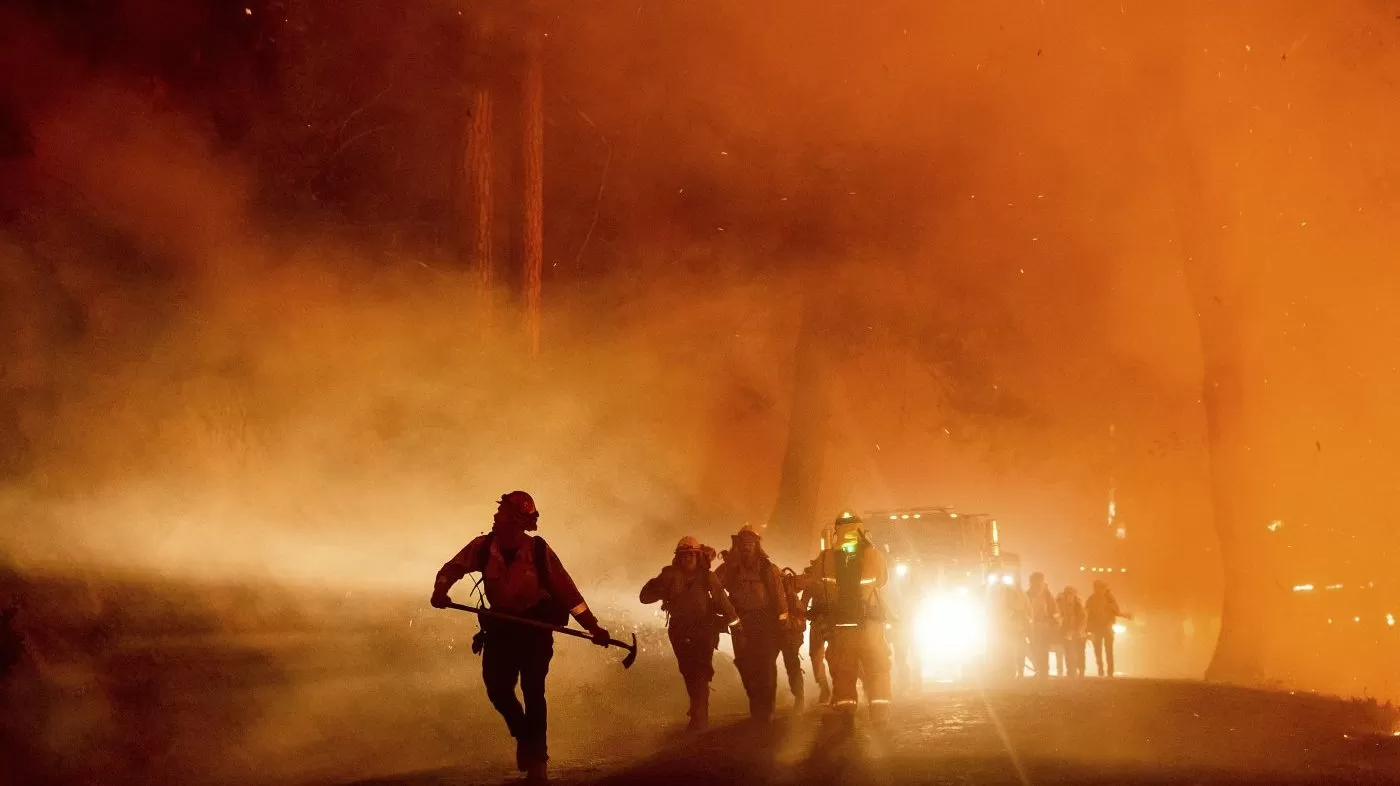
Climate change has become an imminent global crisis, posing severe threats to our environment, economy, and health. Among its various consequences, the increasing frequency and intensity of wildfires have caught the world’s attention. These devastating natural disasters not only cause destruction of habitats and property, but they also claim thousands of human lives every year. A recent study has revealed that climate change is responsible for thousands of wildfire-related deaths and an estimated $11 billion in associated losses annually.
The study, published in the journal Earth’s Future, looked at the impact of climate change on wildfire behavior over the past 15 years. The findings are alarming and highlight the urgent need for action to mitigate the effects of climate change.
According to the study, the exposure to fine particulate matter in smoke from wildfires has led to approximately 15,000 deaths between 2000 and 2015. This means that every year, thousands of people lose their lives due to the toxic fumes produced by raging wildfires, which are exacerbated by climate change. It is a staggering number that demands immediate attention and action from governments, communities, and individuals.
But the impact of these wildfires goes beyond just human lives. The study also estimates that the cumulative economic burden of these events amounts to a staggering $160 billion over the past 15 years. These costs include damages to properties, infrastructure, and forests, as well as the negative impact on industries such as tourism and agriculture. It is a significant loss that affects the economy and can have long-term consequences for the affected regions.
The study’s lead author, John Abatzoglou, emphasizes the need to address climate change urgently. He says, “Climate change is increasing the likelihood of extreme wildfire events, which, in turn, leads to more deaths and billions of dollars in economic losses every year. This is a clear and alarming indication that we must take immediate action to reduce greenhouse gas emissions and mitigate the effects of climate change.”
The study’s results reaffirm the link between climate change and wildfires, confirming the long-held belief of scientists and environmentalists. The warming of the Earth’s atmosphere, caused by the accumulation of greenhouse gases, has altered weather patterns and led to more frequent and intense wildfires. These fires, in turn, contribute to the greenhouse gas emissions, creating a dangerous cycle that needs to be broken.
The impact of wildfires on human lives and the economy cannot be ignored any longer. It is evident that the time for action is now, and we must take a collective approach to combat the effects of climate change. The latest report by the Intergovernmental Panel on Climate Change (IPCC) warns that we have a limited window of time to act before climate change becomes irreversible. We must take this opportunity to make a positive change and protect our planet and ourselves from the devastating consequences of climate change.
There are various measures that we can take to mitigate the effects of climate change and reduce the frequency and intensity of wildfires. The foremost step is to reduce our carbon footprint by adopting sustainable practices. Governments must also implement policies and regulations to reduce greenhouse gas emissions and promote renewable energy sources. Additionally, we must prioritize forest management and invest in early detection and suppression of wildfires.
As individuals, we can make a significant impact by making small changes in our daily lives. We can conserve energy, reduce waste, and support sustainable businesses. We can also spread awareness about the dangers of climate change and the steps we can take to address it.
The study’s findings are a wake-up call for all of us. We must realize that the consequences of inaction are far greater than any short-term benefits. It is time to come together and take concrete actions to combat climate change and protect our planet and its inhabitants.
In conclusion, the study sheds light on the true cost of wildfires and their link to climate change. It is a reminder that we are running out of time, and we must act now before it is too late. Let us join hands and make a difference, for the sake of our planet and future generations. As the saying goes, “There is no planet B.” It is our responsibility to safeguard our only home and ensure a sustainable future.
