
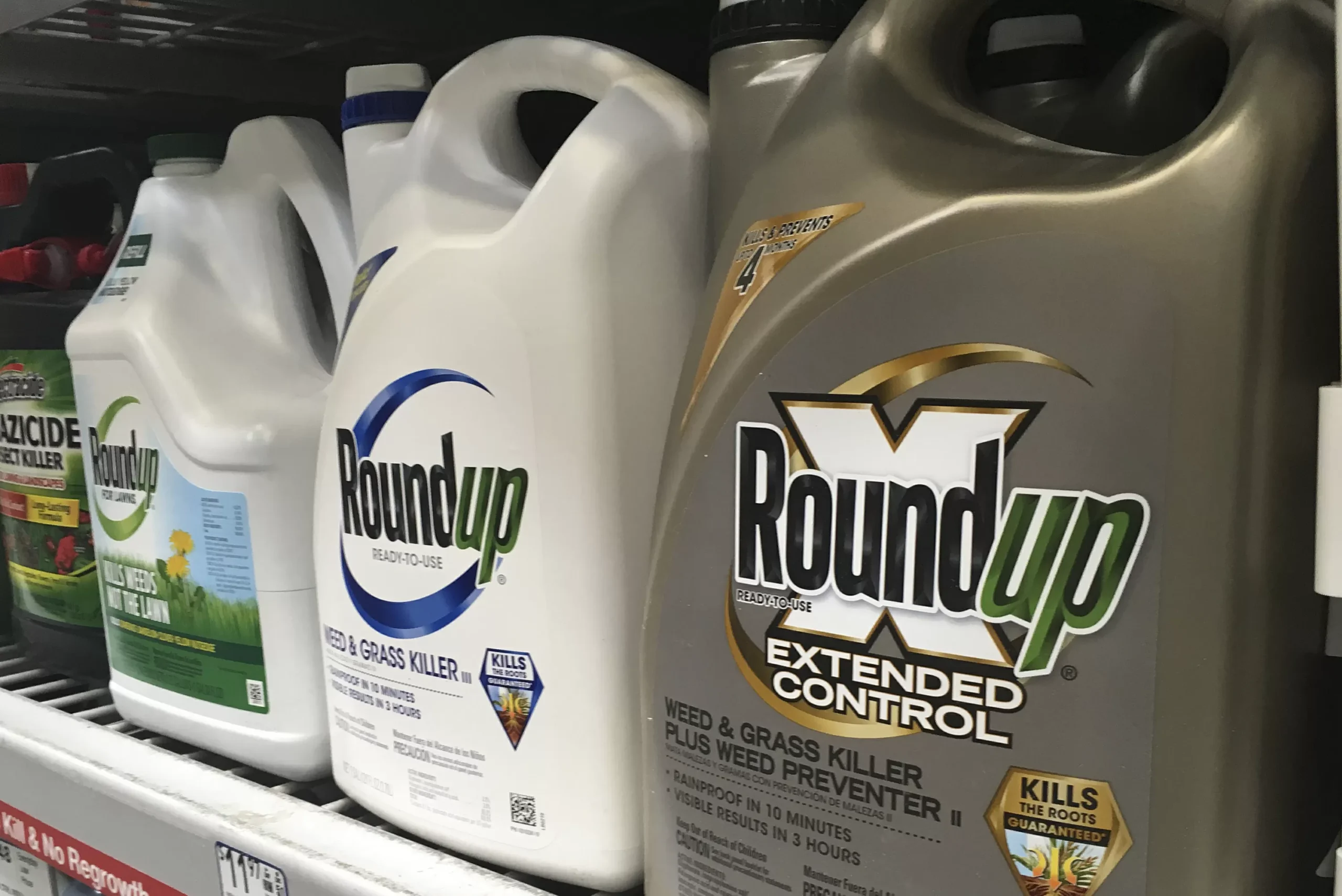
The recent verdict against the company behind Roundup weedkiller herbicide has sent shockwaves through the agricultural industry. On Monday, the jury ordered the parent company, Bayer, to pay a staggering $2.065 billion to a man who claims the product caused his non-Hodgkin’s lymphoma. This landmark case has brought the safety of Roundup into question and has raised concerns about the potential harm it may have caused to countless individuals over the years.
According to the plaintiff’s attorneys, John Barnes had been using Roundup for over two decades before being diagnosed with non-Hodgkin’s lymphoma. He claimed that the product’s main ingredient, glyphosate, was the cause of his cancer. This case has been closely watched by environmentalists and health advocates, who have long been raising concerns about the potential health risks associated with glyphosate.
The verdict, which includes $2 billion in punitive damages and $55 million in compensatory damages, is a significant blow to Bayer. It is the third consecutive trial that the company has lost over allegations that Roundup causes cancer. The previous two cases resulted in verdicts of $289 million and $80 million, respectively, which were later reduced by judges. However, this latest verdict is the largest so far and sends a clear message to the company that they must take responsibility for the potential harm their product may have caused.
The case against Roundup has been building for years, with numerous studies and scientific evidence linking glyphosate to cancer. In 2015, the World Health Organization’s International Agency for Research on Cancer classified glyphosate as a probable human carcinogen. This classification has been heavily disputed by the company, who maintains that their product is safe when used as directed. However, the mounting evidence and the recent verdicts suggest otherwise.
The impact of this verdict goes beyond just one man’s case. It has raised concerns about the safety of Roundup for all those who have been using it for years, including farmers, landscapers, and home gardeners. The potential health risks of glyphosate have been a topic of debate for a long time, and this verdict may be the push needed to bring about change.
In response to the verdict, Bayer has stated that they plan to appeal the decision and continue to vigorously defend their product. However, this verdict sends a clear message that the company must take responsibility for the potential harm their product may cause. It also highlights the need for stricter regulations and more thorough testing of products before they are released to the public.
The impact of this verdict is not limited to just the company and the individuals involved. It also has implications for the entire agricultural industry, as glyphosate is one of the most widely used herbicides in the world. The verdict may prompt farmers and other users to seek alternative methods of weed control, which could potentially have a significant impact on the industry.
In the midst of this controversy, it is important to remember the potential harm that Roundup may have caused to individuals like John Barnes. The verdict is a victory for those who have been affected by the product and serves as a reminder that companies must prioritize the safety of their consumers above all else.
As the case against Roundup continues to unfold, it is essential for the public to remain informed and vigilant. The safety of our food, our environment, and our health should never be compromised for the sake of profit. This verdict serves as a wake-up call to companies that they must prioritize the well-being of their consumers and the environment over their own financial gain.
In conclusion, the $2.065 billion verdict against the company behind Roundup is a significant step towards holding them accountable for the potential harm their product may have caused. It is a victory for the plaintiff and a warning to the company that they must take responsibility for the safety of their products. This case has shed light on the potential health risks associated with glyphosate and has sparked a much-needed conversation about the regulation and safety of pesticides. Let us hope that this verdict will bring about positive change and lead to a safer and healthier future for all.
